Designing Boyhood on Purpose
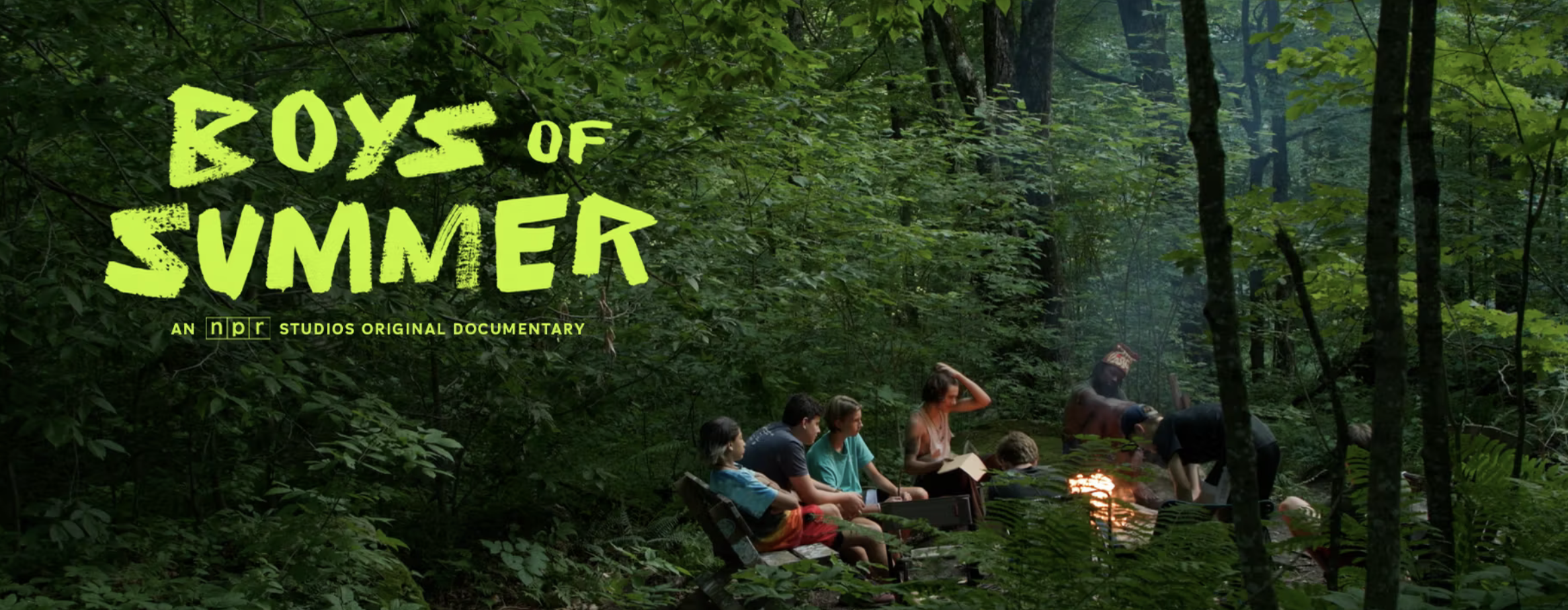
Middle school boys are not exactly known for publicly appreciating each other.
Their default mode is to clown around, to talk in memes, to be awkward and loud. All that is true, and as an educator I secretly love it. However, when I ran Camp Timberlake I saw, week after week, 13-year-old boys stand on stage and offer a public appreciation for someone in the community. They did it on a small hill overlooking the valley with the sun setting, the campfire roaring, and the sounds of summer wilderness in the background. A staff member would call up two campers to a small platform and one would place a bead around the other’s neck, telling the whole community what that person did to earn the bead. The entire community would silently knock in agreement, and the moment often ended in a hug.
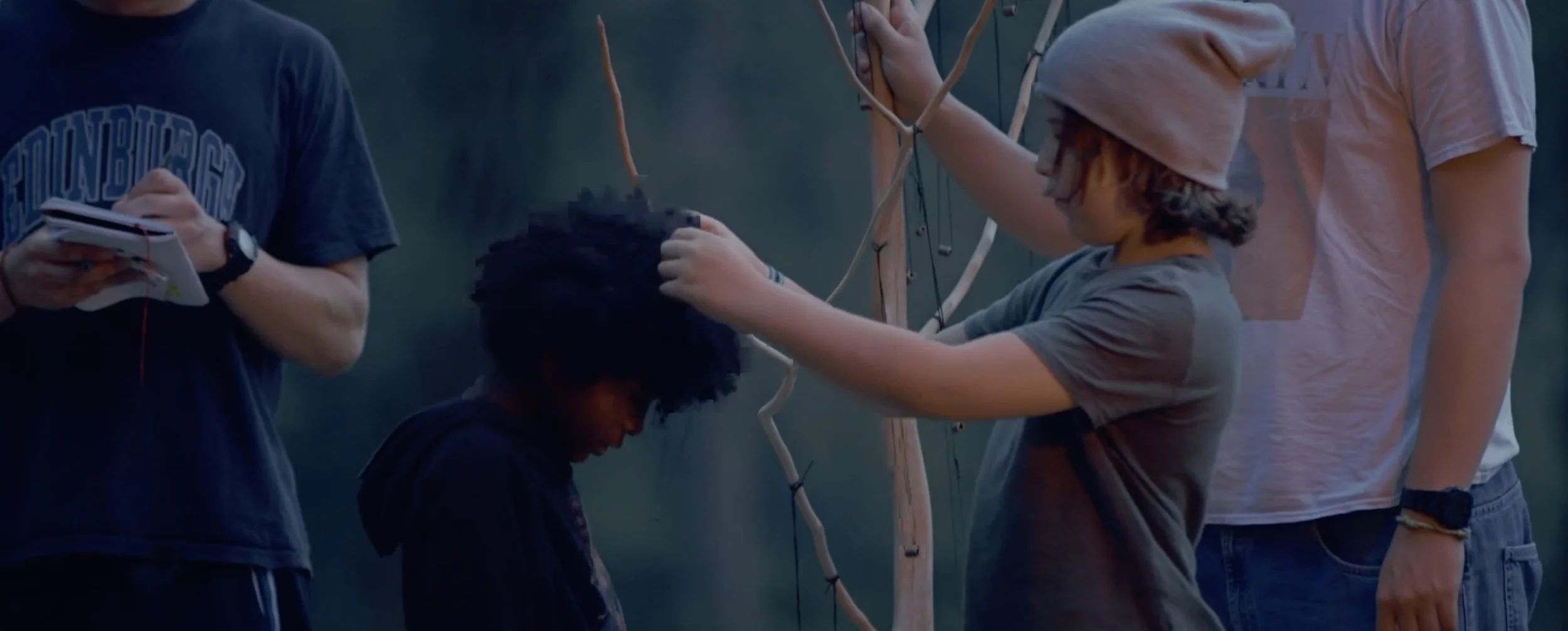
That sort of event didn’t just happen. It happened because of the intentional work of our staff, our culture, and our systems to create just the right setting where boys would learn to live in cooperation, not competition. To lift each other up, not just try to outdo each other. They didn’t always realize the work that went into it, they just felt camp was fun. That was the point.
A few days back I watched myself in the world premiere of Boys of Summer, a documentary from NPR at the Big Sky Documentary Film Festival. It followed a group of campers at my camp in 2023 as they navigated friendship, tried new challenges, and lived simply in the woods. Watching it brought back so many emotions (I cried 4 times) and reminded me of the essential question we were answering at Timberlake:
What kind of experience of boyhood are we actually creating?
Boyhood doesn’t just happen (even if feels like it does). Boyhood is shaped by the environments we, the adults, build. Many programs accidently build the default version because nobody designed it to not be that way. It’s the version where boys compete for status, stuff their feelings down, and learn vulnerability is a weakness. The question for all youth programs isn’t’ whether you’re shaping young people, it’s whether you’re doing it on purpose.
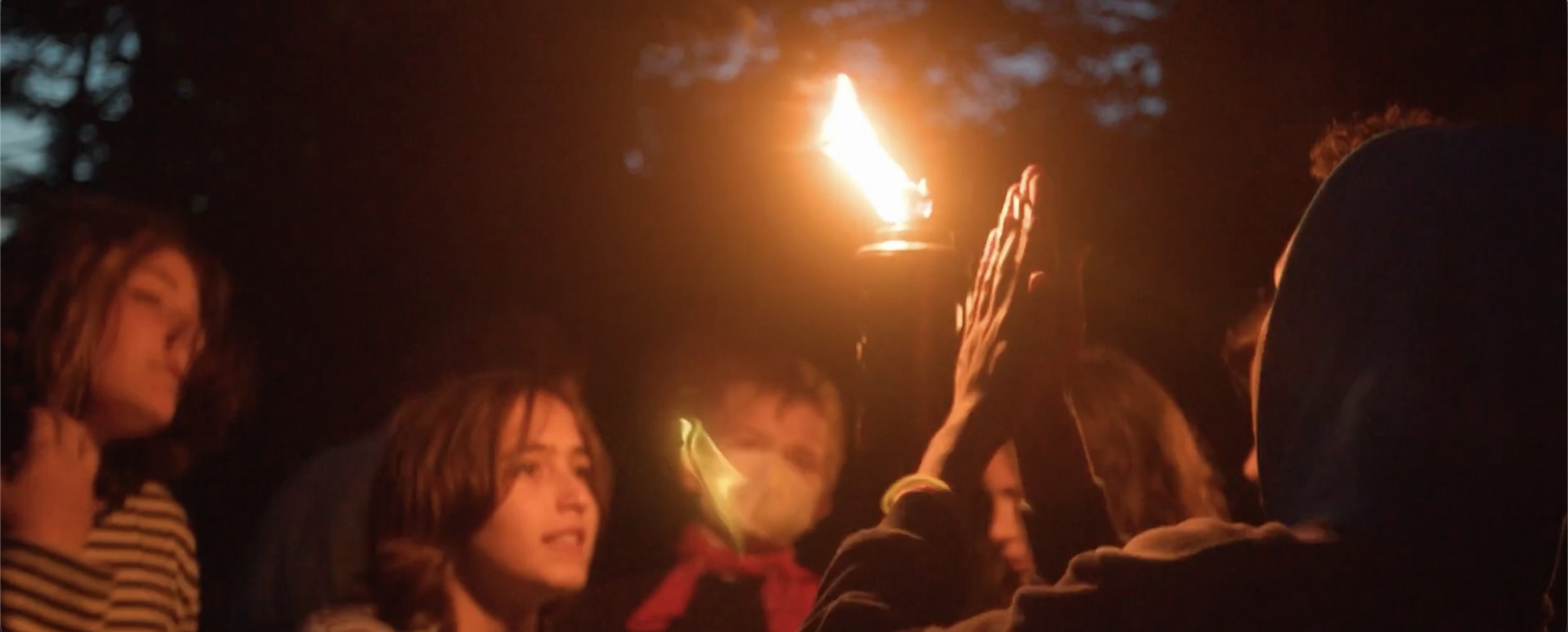
At Timberlake, I was intentional about it. All of us sat in Silent Meeting together, 100 people in the Vermont woods, and those wiggly teenage boys would often tell us later it was one of the more meaningful parts of their summer. We had cabin appreciation nights were boys said kind things to each other. Out loud. Our staff modeled the quieter, persistent coaching to help our campers succeed. Our staff told our campers they loved them.
None of that happened by accident. Those moments were designed by me, my team, and the many staff that came before us. We built another version of boyhood.
That’s what I mean by intentionality. It’s the difference between just hoping your programs shapes good people and instead building the habits, culture, and systems to make it almost inevitable. It’s about not waiting for camp magic but instead building it. For any program there are three pieces to think about:
Individual Habits: What are the daily practices your staff and kids are actually doing? At Timberlake, that meant the language we used around conflict, the way we taught campers to clean their cabins (a small act of contribution, not punishment), and how we trained staff to give directions and manage behavior that preserved dignity. We taught staff how to create these habits.
Intentional Culture: What does your community feel like, and is that feeling something you designed or something that just showed up? At Timberlake we thought about the invisible culture, the songs, the lingo, the rituals that insiders quickly absorbed but new kids didn’t. The kid whose brother went here picked it up fine. The quiet new kid didn’t. So we taught the songs line by line, explained traditions as they happened, and designed belonging instead of hoping for it.
Robust & Aligned Systems: What written protocols and procedures actually reinforce the culture you want? At Timberlake, that meant training that mimicked a real camp day so staff built muscle memory before campers showed up, a behavior system where everyone knew their role and who would support, and clear coaching guidelines to support staff. Without the systems, the habits and culture don’t survive contact with reality.
One of the biggest lessons I learned at Camp Timberlake as a young counselor and eventually as the director was that one can hope a program shapes good people or one can go out and build it, summer after summer. For boys in particular, in a world that gives them a pretty narrow script, that intentionally matters. In some coming blog posts I’ll talk more about how we did it.
I’m so grateful to the team at NPR Visuals team who produced Boys of Summer, directors Mito Habe-Evans and Annabel Edwards with producers Tsering Bista and Razi Jafri and videographer Nickolai Hammar. It’s a profound piece of art that captured perfectly the unique magic of Camp Timberlake and the special place my staff and I built, together.
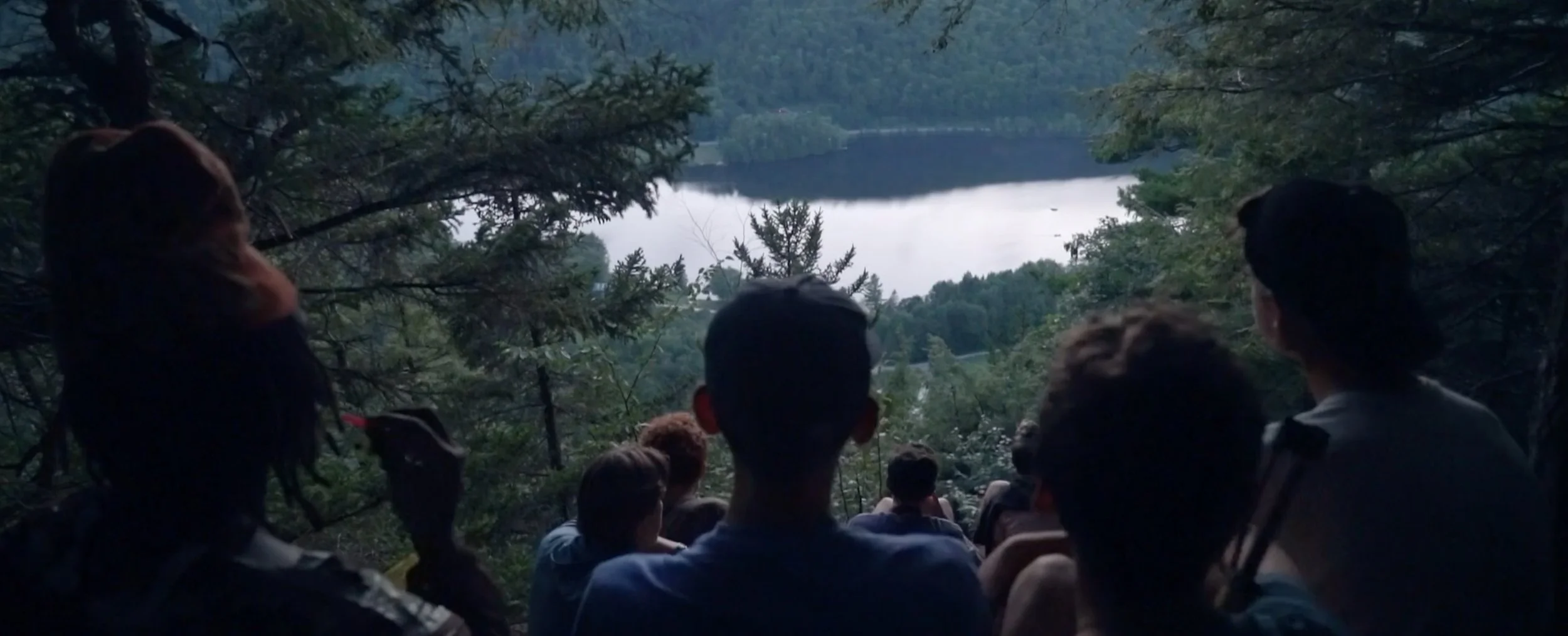
Boys of Summer is the first-ever feature documentary film produced by NPR Visuals. You can view the trailer here and, eventually, on a streaming service. I also highly recommend this great interview with the directors. Next week I’m keynoting in Virginia on a related idea – what it actually takes to champion every kid who walks through the door. More on that soon.
It you’re looking for my full review of the film, check out this blog instead.
From NPR:
Boys of Summer follows a group of teenage boys at a remote summer camp in the Vermont woods as they embark on a journey of emotional growth. Free from screens and societal expectations, they learn to open up, support one another, and redefine what it means to be a boy.
The NPR Studios original documentary is a tender vérité portrait of vulnerability, friendship, and the quiet rebellion of feeling deeply in a world that often tells boys not to.