
Curious to know more about
Staff Coaching?
Congrats on finding the secret QR code in the Fortune Teller! Read on to learn more about Staff Coaching.
When Conflict Arises, Coach
When staff come to you with conflicts, whether with campers, other staff, or the program itself, your instinct might be to jump in and fix things. After all, you know what they should do. But when you solve every problem for them, you create dependency, not growth.
"Coaching should be quick, frequent, and informal. You can help more people by taming your Advice Monster."
At Thrive Point Studio, we teach that coaching is a system. When you build coaching into your daily operations, you create a culture where staff feel supported and empowered. When staff are struggling, we assume people want to do their best. When they're not doing their best, there's a lack of skill or lack of supports. Our role is to scaffold and help them succeed.
Mentoring vs. Coaching: What's the Difference?
Most leaders think they're coaching when they're actually mentoring. And while both are valuable, they serve different purposes.
Both have their place. But if you're always mentoring (telling), you become the bottleneck. Everyone needs you to solve their problems. If you're coaching (asking), you develop staff who can think independently and make good decisions without you. Most of us default to mentoring because it feels faster and more helpful in the moment. But coaching creates lasting change. And crucially, coaching can be done by staff at any level. This means you can build a coaching culture throughout your entire organization, not just at the top.
Mentoring
You share your experience and expertise. You tell them what worked for you. You guide them based on what you know. Mentoring is about giving advice. However, mentoring requires experience. You can only mentor in areas where you have expertise to share.
Coaching
You ask questions that help them discover their own solutions. You draw out their thinking. You help them build their own problem-solving muscles. Coaching is about asking questions.That means anyone can coach, regardless of experience. A first-year staff member can coach a veteran by asking good questions.
A Simple Coaching Framework
The hardest part of coaching? Knowing what questions to ask. When someone comes to you with a problem, what do you say that helps them think rather than just giving them the answer?
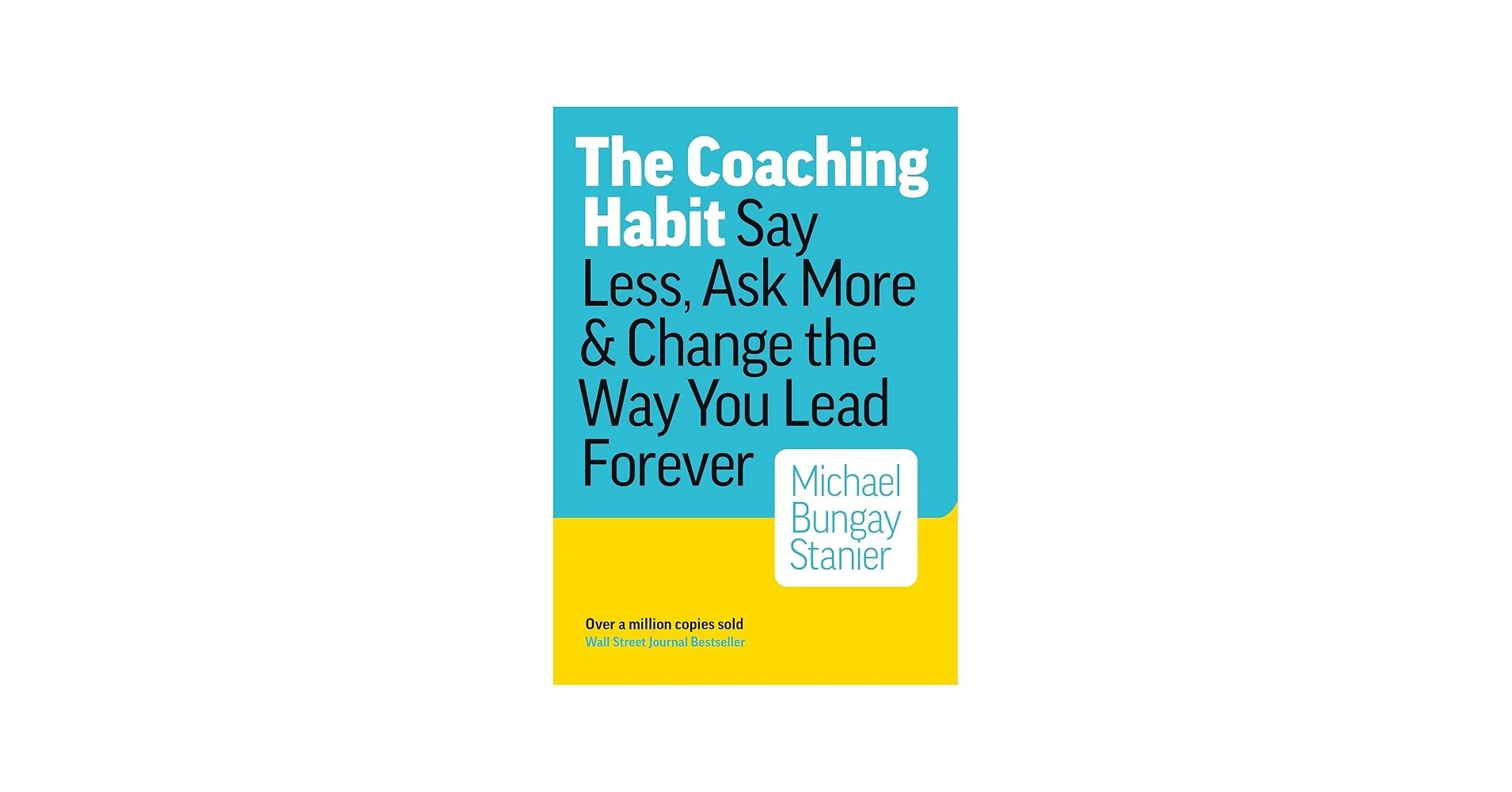
Michael Bungay Stanier's "The Coaching Habit" offers a powerful framework: 7 coaching questions you can use in any situation. These aren't magic words. They're strategic questions designed to help people think deeper, identify what's really going on, and commit to action.
What’s On Your Mind?
What Else?
How can I help?
Used well, these questions help staff discover solutions they own rather than directives they'll forget. They're quick, practical, and transform how you lead.
Building Coaching Systems
Questions are powerful, but they're not enough on their own. You need systems that make coaching sustainable and ensure everyone gets the support they need.
Support Plans
When staff are struggling with recurring conflicts or challenges, vague encouragement won't cut it. You need concrete support plans that create accountability for both the person being coached and the person doing the coaching.
Good support plans identify specific behaviors that need to change, outline exactly what support will be provided, and clarify what happens if things don't improve. They're time-bound (usually 3-5 days), concrete, and achievable. Most importantly, you assign a Champion—someone who checks in frequently and works through the plan.
The "Lost" Staff Drill
You can't give the same level of support to all staff all the time. You need to triage. But how do you decide who needs help most without just responding to whoever's loudest or whoever crosses your path?
The Lost Staff Drill is a systematized way to prioritize coaching. It gathers multiple perspectives, minimizes bias, and tracks who's getting attention and who's slipping through the cracks. Just like the Behavior Board helps you see which campers need support, this drill helps you see which staff need coaching.
When you combine coaching questions with systematic support plans and triage systems, you create conditions where every staff member gets the coaching they need and not just the ones who ask for it. These systems fit into our three-pillar Thrive Point approach:
Strong individual habits (leaders who know how to coach)
Intentional culture (where asking for help is normalized and coaching happens daily)
Robust systems (support plans and triage processes that make coaching sustainable).
Questions to Consider:
Am I coaching (asking questions) or mentoring (giving advice)?
Do we have support plans for struggling staff, or are we just hoping things get better?
What questions can I ask instead of jumping to solutions?
Am I systematically triaging who needs coaching, or just responding to whoever's loudest?
Want to build a coaching culture?
Coaching isn't just for senior leadership. Staff at any level can learn to coach effectively—which means you can create a culture where everyone supports each other, not just a few experienced leaders carrying the load.
Thrive Point Studio offers coaching trainings that teach you the 7 Coaching Questions, how to create effective support plans, how to run the Lost Staff Drill, and how to build systems that make coaching sustainable all season long.
We give you the frameworks, tools, and systems to develop staff who can solve problems independently—not staff who depend on you for every answer.